%2Ffit-in%2F250x250%2Fguide_websites%2F6959%2Fimages%2Fplatinum_fg.png&w=1920&q=100)
Bass Fishing Success in Chattanooga Tennessee
Bass Fishing in Chattanooga - What to Expect
%2F%2Fusers%2F52ae8291-952f-4034-91fb-a10a3ccfe449%2Fimages%2Fchattanooga-bass-fishing-catch-2998.jpg&w=1920&q=75)
Fishing Charter by Captain Ricky Murphy in June
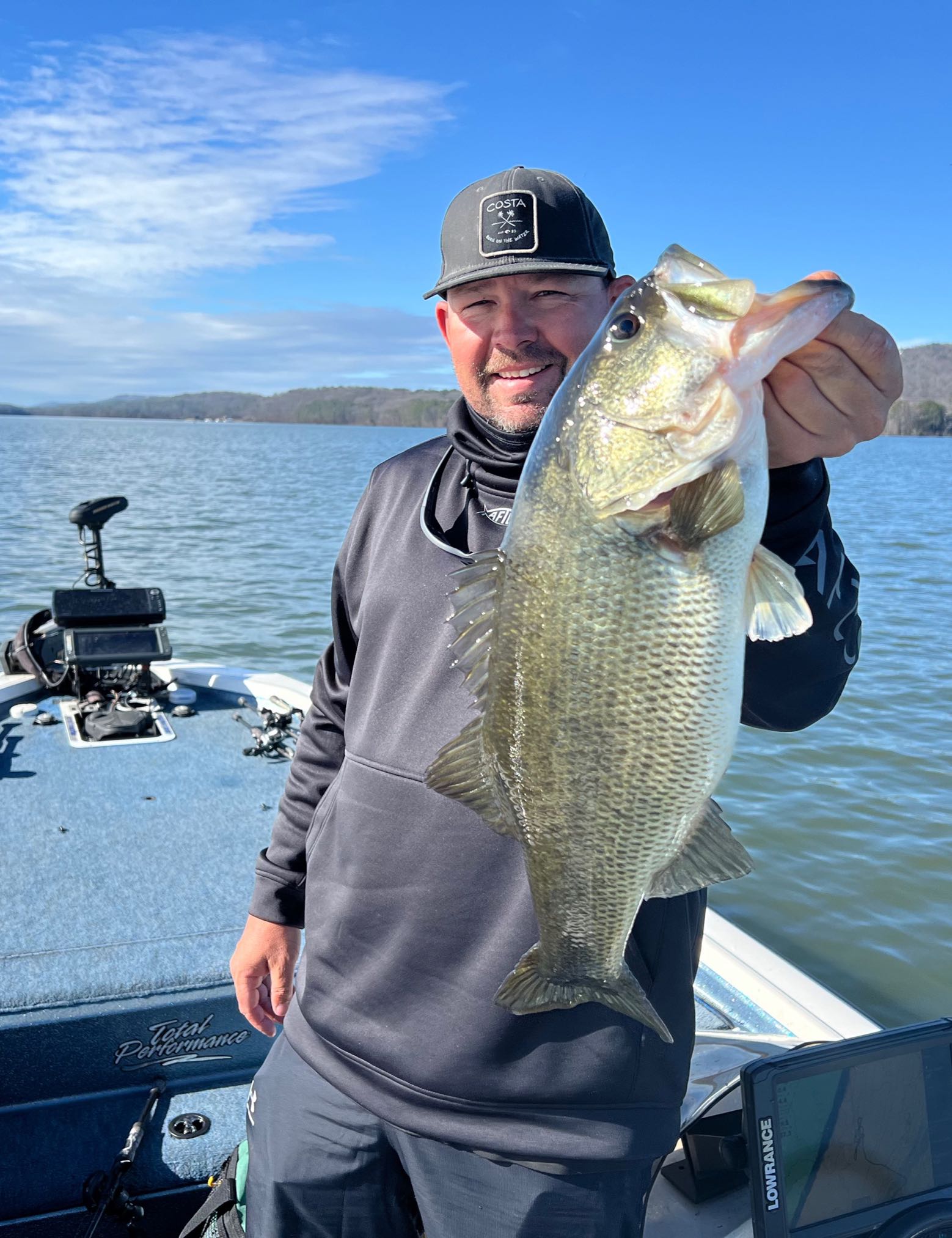
Meet your Captain Ricky Murphy
- Cast Your Line into the Beautiful TN Lakes


Summary
Join Captain Ricky Murphy of Platinum Fishing Guides for a bass fishing charter in Chattanooga, Tennessee on Thursday, June. This guided trip combines local water knowledge with proven fishing techniques to help you land quality bass in prime Tennessee waters. Whether targeting largemouth or smallmouth species, you'll learn the strategies that work year-round in this region.
Bass Fishing with Captain Ricky Murphy - Rates & Booking
Captain Ricky Murphy of Platinum Fishing Guides guides bass fishing charters on Thursday, June in Chattanooga, Tennessee. This fishing charter combines expert local knowledge with proven techniques to maximize your chances of landing quality bass. Captain Murphy brings years of experience reading water conditions, identifying prime feeding zones, and adapting strategies to seasonal patterns throughout the year.
Contact Platinum Fishing Guides to book your bass fishing adventure and reserve your preferred date. The captain provides expert instruction suitable for both beginners learning fundamental bass fishing skills and experienced anglers seeking advanced tactics. Book online today to secure your spot on the water.
Highlights of Your Bass Fishing Experience
Chattanooga's waters offer excellent opportunities for targeting both largemouth and smallmouth bass. The region features diverse structure including deep channels, shallow flats, rocky points, and vegetation-lined coves that hold bass throughout different seasons. Captain Murphy knows how these environmental features influence bass behavior and positioning, allowing him to guide you efficiently through productive areas.
Each season presents distinct advantages for bass fishing in Chattanooga. Spring transitions bring aggressive feeding as bass move from deep winter zones toward shallow spawning areas. Summer requires understanding how heat drives bass deeper and into shade during midday. Fall offers consistent action as cooling water temperatures activate bass feeding patterns. Winter bass concentrate in specific deep holding zones that demand precise location knowledge.
Understanding Local Bass Behavior and Habitat
Bass fishing success depends on understanding how these fish respond to their environment. Largemouth bass prefer heavy cover like vegetation, fallen trees, and docks where they ambush prey. Smallmouth bass often relate to rocky structure, deeper water, and current breaks. Both species use depth and structure to conserve energy while positioning themselves to intercept food.
Water temperature directly controls bass metabolism and behavior. Warmer water (68-78 degrees Fahrenheit) increases feeding activity and faster reaction times to lures. Cooler water (50-65 degrees) slows metabolic rates, requiring slower presentations and smaller baits near deeper structure. Understanding these temperature windows helps determine where to focus your effort throughout the day.
Light penetration also influences bass location. During bright sunny conditions, bass move to deeper water, shade, and heavy cover to avoid excessive light. Overcast days allow bass to feed throughout shallower areas with less concern about visibility. Dawn and dusk periods often produce excellent results as light levels encourage feeding activity across various depths.
Seasonal movement patterns govern where bass concentrate. Spring spawning migrations move bass from deep winter sanctuaries toward shallow nesting areas. Summer heat pushes bass deeper into oxygen-rich zones and shade. Fall cooling brings aggressive feeding and allows bass to occupy mid-depth ranges. Winter forces bass into the deepest available structure and channels where they conserve energy in cold conditions.
Captain Ricky Murphy applies this understanding to locate bass efficiently and present lures or baits in ways that trigger strikes. His experience reading water clarity, structure, and seasonal patterns gives you access to proven locations and techniques specific to Chattanooga's bass populations. Whether using topwater presentations in early morning, working deep structure midday, or finesse techniques in clear water, the captain adapts his approach to current conditions and fish behavior.